Pepe the Frog
Matt Furie's Boy's Club comic, Myspace, 2005
Try This Meme!
Swap your face into the Pepe the Frog meme and join the trend.
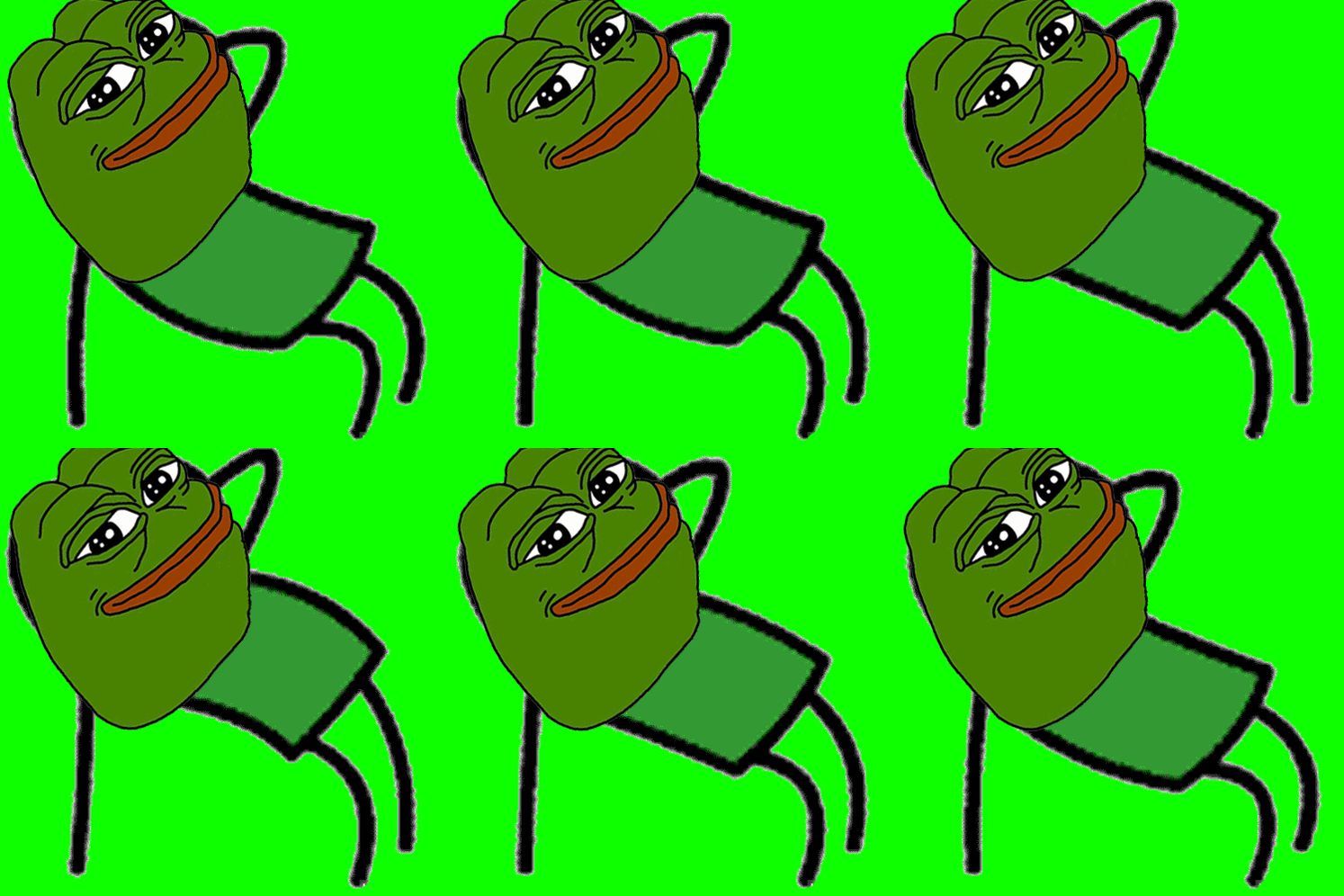
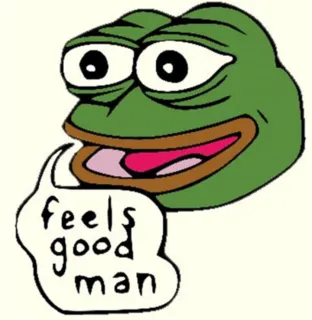
Pepe the Frog was created by artist Matt Furie in 2005 as a laid-back frog character in his Myspace comic Boy's Club. The character's catchphrase — "feels good man" — was his response when asked why he pulls his pants all the way down to pee. That single panel, uploaded to 4chan's /b/ board in 2008, launched what would become one of the most recognized, remixed, fought-over, and culturally significant memes in internet history.
The Real Origin: Boy's Club and a Frog Named Pepe
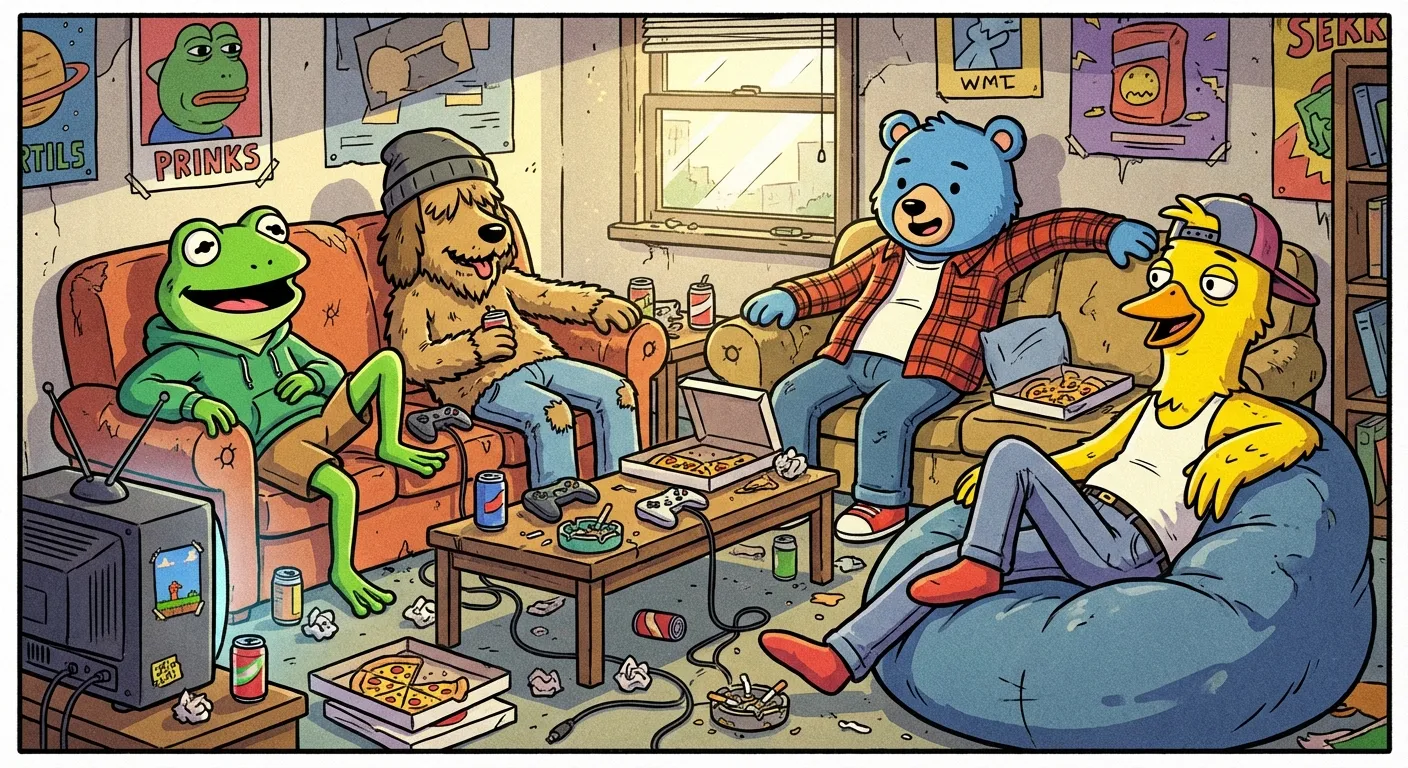
Before Pepe was the internet's emotional avatar, he was just one of four slacker roommates in Matt Furie's indie comic. Furie, an Ohio-born artist living in San Francisco, created a zine called Playtime using Microsoft Paint that featured early versions of the characters. He started posting Boy's Club strips on Myspace in 2005, depicting Pepe, Brett, Andy, and Landwolf doing what twenty-somethings do: eating pizza, playing video games, and saying dumb stuff to each other.
The comic had a genuine warmth to it — Furie later described his Pepe philosophy as simply: "Feels good man. It is based on the meaning of the word Pepe: 'To go Pepe.' I find complete joy in physically, emotionally, and spiritually serving Pepe and his friends through comics." The print edition of Boy's Club #1 was published in 2006 by Teenage Dinosaur, and Furie took down the Myspace posts.
From Myspace to 4chan: The "Feels Good Man" Explosion (2008)
In 2008, someone scanned the bathroom panel and uploaded it to 4chan's /b/ (random) board. The "Feels Good Man" image resonated instantly. 4chan's anonymous users adopted Pepe as a versatile reaction face, and they quickly started modifying his expression to match different emotions. The simple line drawing was perfect for remixing — you could convey almost any feeling by tweaking Pepe's eyes and mouth.
The first major variant was "Feels Bad Man" (Sad Frog), which appeared in 2009 on 4chan and Bodybuilding.com forums. Where the original Pepe looked blissfully content, Sad Frog had drooping eyes and a downturned mouth — a visual shorthand for disappointment that became nearly as iconic as the original. By 2012, "Smug Pepe" had emerged, featuring a self-satisfied expression that users deployed to flex on others in comment threads.
The Pepe Variant Universe
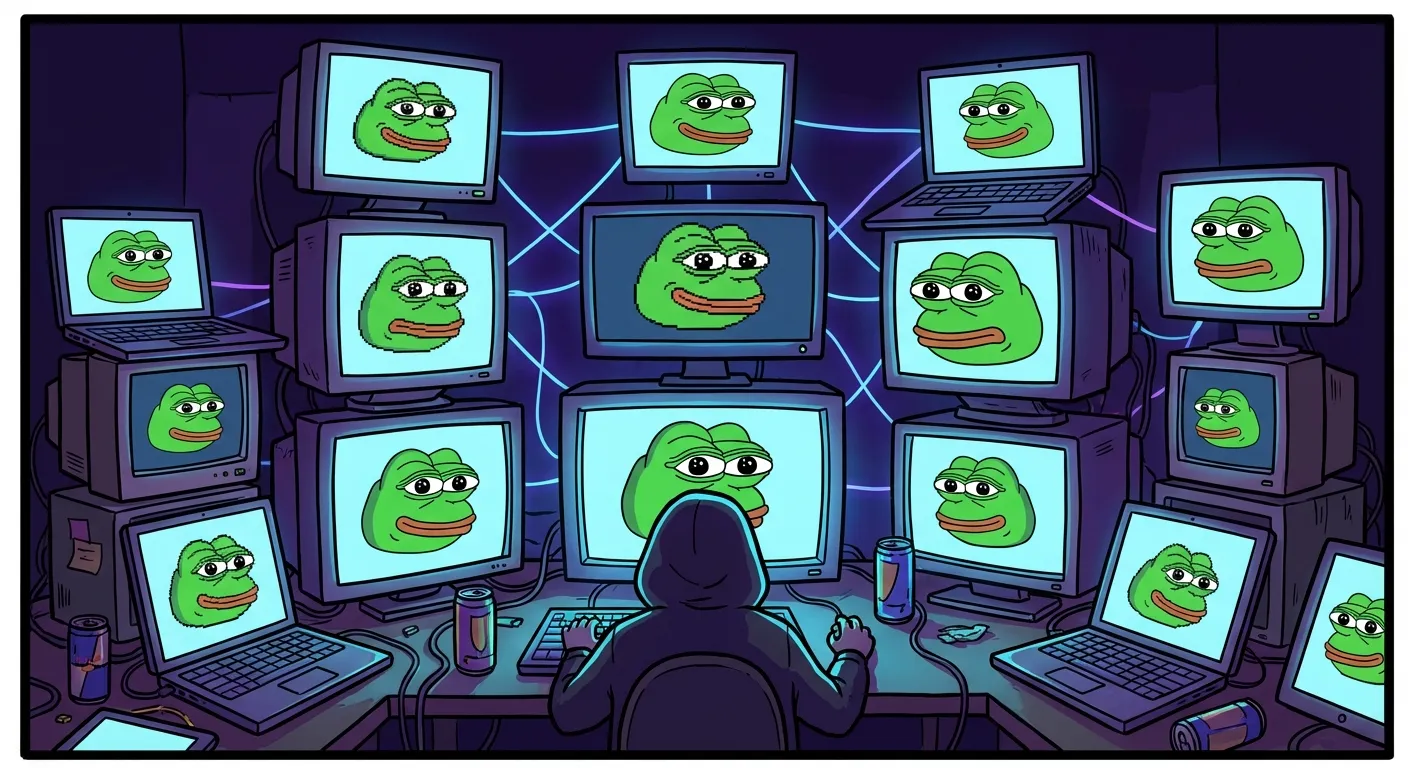
What makes Pepe truly unique in meme history is the sheer number of recognized variants. Most memes have one face, one meaning. Pepe became an entire emotional vocabulary:
- Feels Good Man (2005) — the original, radiating pure contentment
- Sad Frog / Feels Bad Man (2009) — the melancholy counterpart, used millions of times to express disappointment
- Smug Frog / Smug Pepe (2012) — the self-satisfied grin, deployed when you know something others don't
- Angry Pepe (~2014) — veins bulging, face red, for moments of pure internet rage
- Nu Pepe (2014-15) — the crossed-arms sophisticated version that emerged from Finnish and Russian imageboards
- "Well Meme'd" (2015) — sweater-wearing Pepe congratulating others on their meme craftsmanship
Each variant developed its own community, its own usage norms, and its own lore. Together, they formed what meme scholars (yes, that's a real thing) have called the most complex "meme ecosystem" ever created from a single character.
Rare Pepes: When Memes Became Currency (2014-2015)
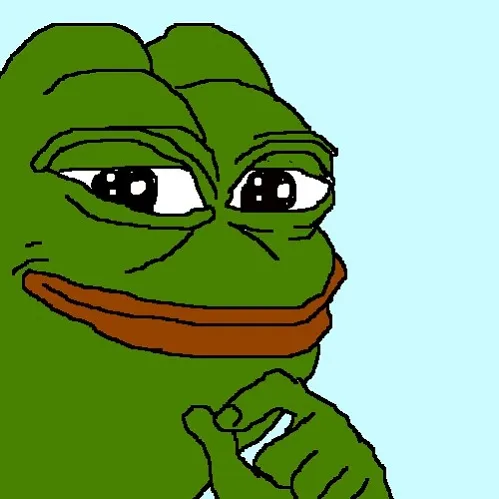
In late 2014, 4chan's /r9k/ board invented something remarkable: Rare Pepe collecting. Users began sharing unique Pepe variants as if they were trading cards, assigning them rarity values and warning others not to "steal" their Rare Pepes. What started as an ironic joke about meme ownership became genuinely elaborate.
By March 2015, a user posted an Imgur gallery containing over 1,200 unique Pepe images — the gallery received 260,000+ views in its first week. Collections of Rare Pepes appeared on eBay, with one listing reaching a bid of $99,166 before being removed. By April 9th, there were over 230 "rare Pepe" listings on the platform.
This wasn't just 4chan being weird. The Rare Pepe economy was arguably a proto-NFT movement — digital images being traded as scarce collectibles years before blockchain-based art markets existed. When the actual NFT boom hit in 2021, original Rare Pepe artwork on the Counterparty blockchain (created in 2016) became some of the most valuable NFT collections in existence. A single Rare Pepe NFT sold for $3.6 million in February 2022.
Celebrities Discover Pepe (2014)
Pepe's crossover into mainstream culture was cemented in late 2014 when two of the biggest pop stars on the planet posted Pepe content. On November 8th, 2014, Katy Perry tweeted a crying Pepe with "Australian jet lag got me like" — the tweet received over 17,000 likes. Six weeks later, on December 18th, Nicki Minaj posted a Pepe to her Instagram, garnering 281,000 likes and 13,900 comments.
For 4chan users, this was the worst possible outcome. Their niche creation had gone "normie." The response was a deliberate campaign to make Pepe "as shocking as possible" to reclaim the character from mainstream usage — a strategy that would have consequences nobody anticipated.
The Political Storm (2015-2016)
In July 2015, a Malaysian artist known as Maldraw posted an illustration on 4chan's /pol/ board of Smug Pepe as Donald Trump overlooking a border wall. The image fused two of /pol/'s fixations, and Trump-Pepe content exploded across 4chan and Reddit. On October 13th, 2015, Donald Trump himself retweeted a Pepe illustration of his likeness — the tweet got 11,000 likes.
Things escalated through 2016. The Daily Beast published "How Pepe the Frog Became a Nazi Trump Supporter and Alt-Right Symbol" in May. In September, Donald Trump Jr. posted "The Deplorables" movie poster featuring Pepe alongside Trump campaign figures. Hillary Clinton's campaign website published an explainer calling Pepe "a symbol associated with white supremacy."
The Anti-Defamation League added Pepe to its hate symbol database in September 2016 — while explicitly noting that most uses of Pepe are not hate-related. Social scientist Joan Donovan later argued that the Clinton campaign's decision to amplify Pepe as an alt-right symbol actually backfired: "In doing so, they showed how much of a newbie they were at what it essentially meant to be online, which in turn created a wave of media attention on which the Alt-Right was ready to coast."
Matt Furie Fights Back
Throughout the controversy, creator Matt Furie watched his peaceful stoner frog get twisted into something he never intended. In an interview with Esquire, he said: "It sucks, but I can't control it more than anyone can control frogs on the internet." But he didn't give up. Furie partnered with the ADL on the #SavePepe campaign in October 2016, aiming to "reclaim" the character.
In May 2017, Furie took a dramatic step: he published a comic strip depicting Pepe's funeral, symbolically "killing" the character. But Pepe, true to internet form, refused to stay dead. Furie continued filing lawsuits against organizations using Pepe for hateful purposes, successfully winning settlements against InfoWars, a neo-Nazi website, and others. The full saga was documented in the 2020 Sundance award-winning documentary Feels Good Man.
Pepe Goes Global: Hong Kong Protests (2019)
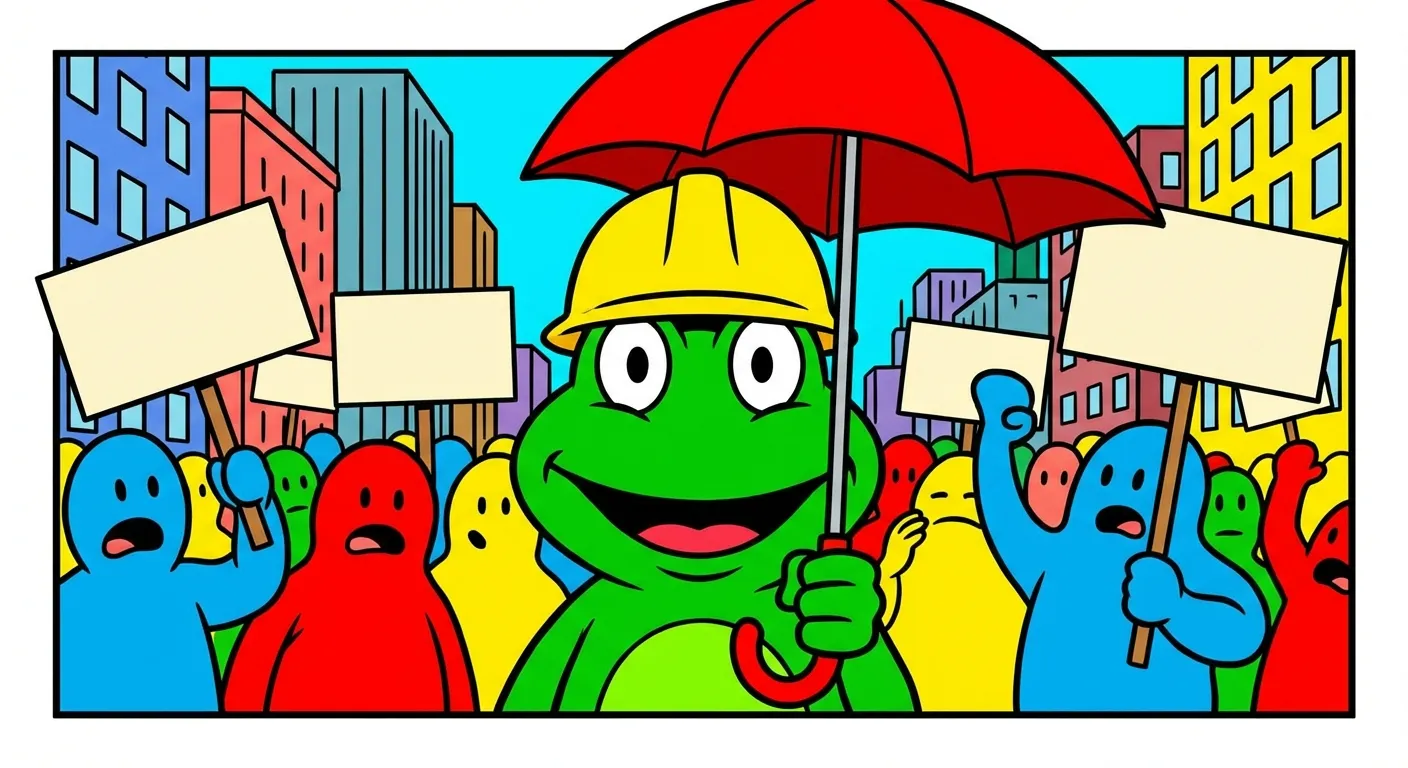
In one of the most fascinating plot twists in meme history, Pepe was adopted as a symbol of democracy during the 2019-2020 Hong Kong protests. Protesters used Pepe — wearing a yellow hard hat and gas mask — as a symbol of resistance, completely separate from the alt-right connotations the character carried in the West. Matt Furie openly welcomed this usage, calling it a return to Pepe's original spirit.
The Hong Kong chapter proved something important: a meme's meaning isn't fixed. The same character can represent opposite things to different communities at the same time. Pepe in a MAGA hat and Pepe in a protest helmet existed simultaneously, each carrying completely different cultural weight.
Why Pepe Endures
Most memes have a lifecycle measured in weeks or months. Pepe has been culturally relevant for nearly two decades. Why?
Simplicity breeds versatility. Pepe's basic design — a frog face with minimal features — is the perfect canvas. You can convey any emotion by tweaking a few lines. This is the same reason emoji work: low visual complexity allows high emotional bandwidth.
The variant ecosystem creates depth. Unlike single-use memes, Pepe isn't one joke repeated. It's a character with dozens of recognized "moods," each with its own usage conventions. This gives Pepe the staying power of a fictional character rather than a punchline.
Controversy generates attention. The political association, while unwelcome to Furie and many fans, kept Pepe in the news cycle for years. Every think piece about "what Pepe means" introduced the character to new audiences who then used it for entirely mundane purposes.
Community ownership. From Rare Pepe trading to Hong Kong protests, people feel genuine ownership over what Pepe means to them. That emotional investment keeps the meme alive in ways that top-down corporate characters never achieve.
🐸 Become Pepe
MEEMES lets you face-swap into the classic Pepe the Frog in seconds. Whether you want the blissful Feels Good Man, the melancholy Sad Frog, or the all-knowing Smug Pepe — put your face on internet history's most versatile frog. Try it now — feels good, man.
Frequently Asked Questions
Who created Pepe the Frog?
Pepe the Frog was created by American artist Matt Furie. The character first appeared in Furie's comic Boy's Club, which he posted on Myspace in 2005. Pepe was one of four animal roommates living a laid-back, post-college lifestyle.
What does "Feels Good Man" mean?
"Feels Good Man" is Pepe's original catchphrase from Boy's Club. In the comic, a friend asks Pepe why he pulls his pants all the way down to pee, and Pepe responds with "feels good man." The phrase became one of the most widely recognized meme expressions online.
Why is Pepe the Frog controversial?
Starting around 2015, some internet trolls began creating racist and antisemitic versions of Pepe, associating the character with the alt-right movement. The Anti-Defamation League added Pepe to its hate symbol database in 2016, while noting most uses of Pepe are not hate-related. Creator Matt Furie has actively fought against this appropriation through lawsuits and the #SavePepe campaign.
What are Rare Pepes?
Rare Pepes are unique or creative variations of the Pepe character that 4chan users began trading like collectible cards in late 2014. The trend spawned eBay listings reaching $99,166, an Imgur gallery with 1,200+ variants, and eventually influenced the NFT and crypto art movements.
Is Pepe the Frog a hate symbol?
Context matters enormously. The vast majority of Pepe usage online is completely apolitical — expressing everyday emotions like sadness, smugness, or happiness. The ADL acknowledges this, stating that most Pepe instances are benign. However, when deliberately combined with hate imagery, specific Pepe variants have been used as hate symbols.
Can I face-swap into Pepe the Frog?
Absolutely. Pepe's simple, forward-facing frog face makes him one of the easiest meme templates for face swapping. On MEEMES, you can swap your face onto Pepe in seconds — whether you want the classic Feels Good Man, Sad Frog, or Smug Pepe variant.